Palamós is a town located in the southern part of the Costa Brava, in the Baix Empordà, known for its fishing tradition and Mediterranean landscapes.
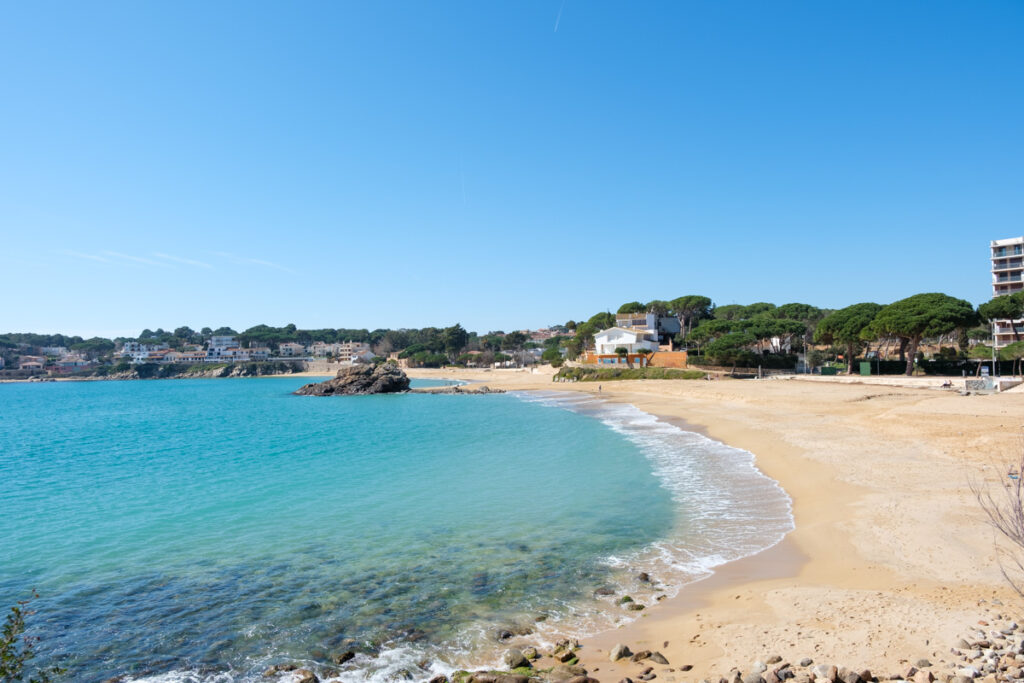
This charming village offers a perfect balance between nature, culture, and leisure, with crystal-clear coves, rich historical heritage, and a privileged location at the foot of the Gavarres hills, ideal for relaxing and enjoying activities for all tastes.
What to See
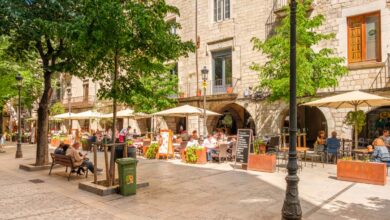
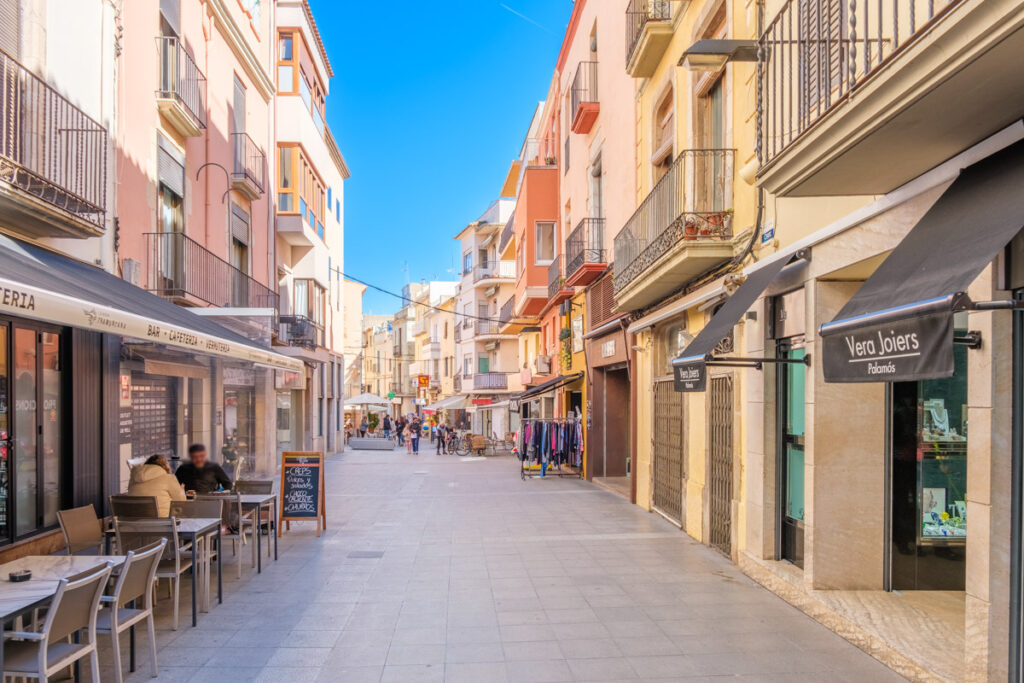
Strolling through its winding streets, you’ll find a large number of shops, most of them family-run.

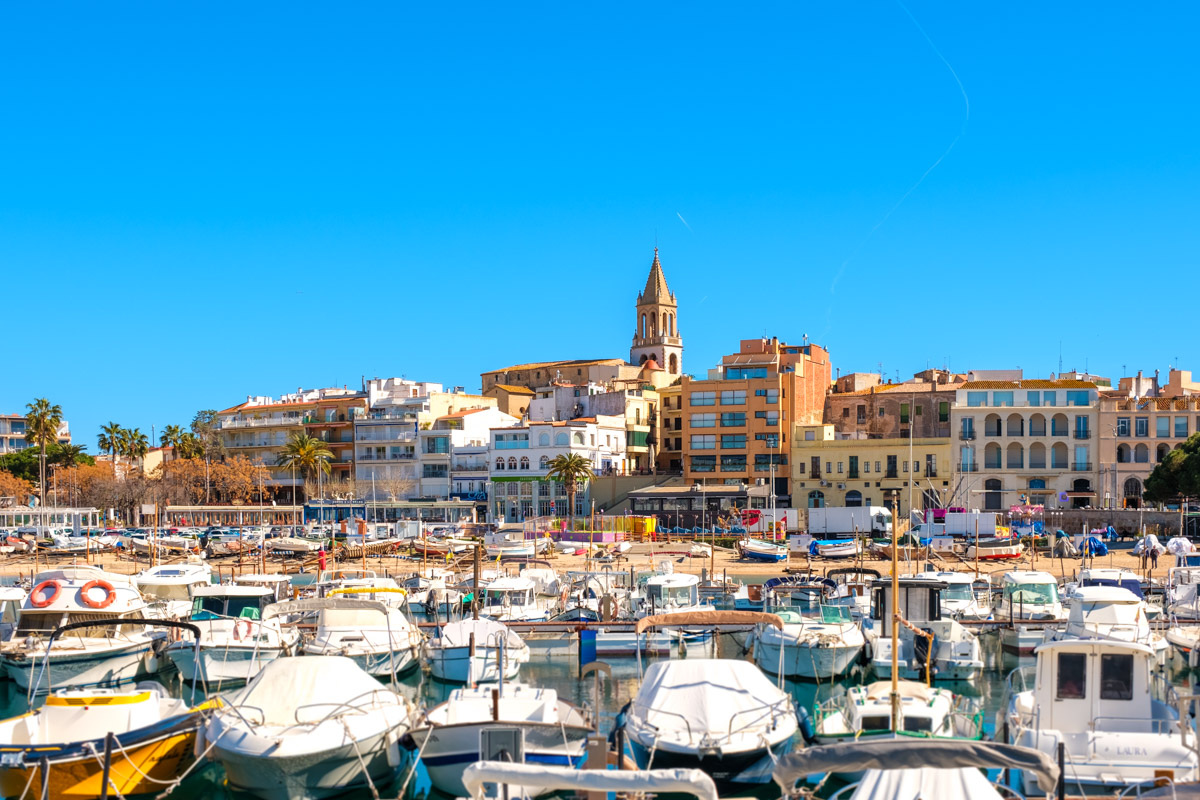
Moreover, in Murada Square and Pedró Square, there are two viewpoints offering beautiful views of the bay and the marina.
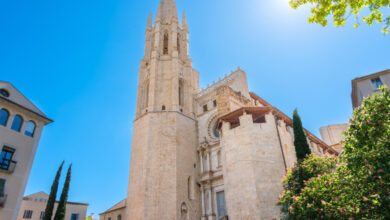
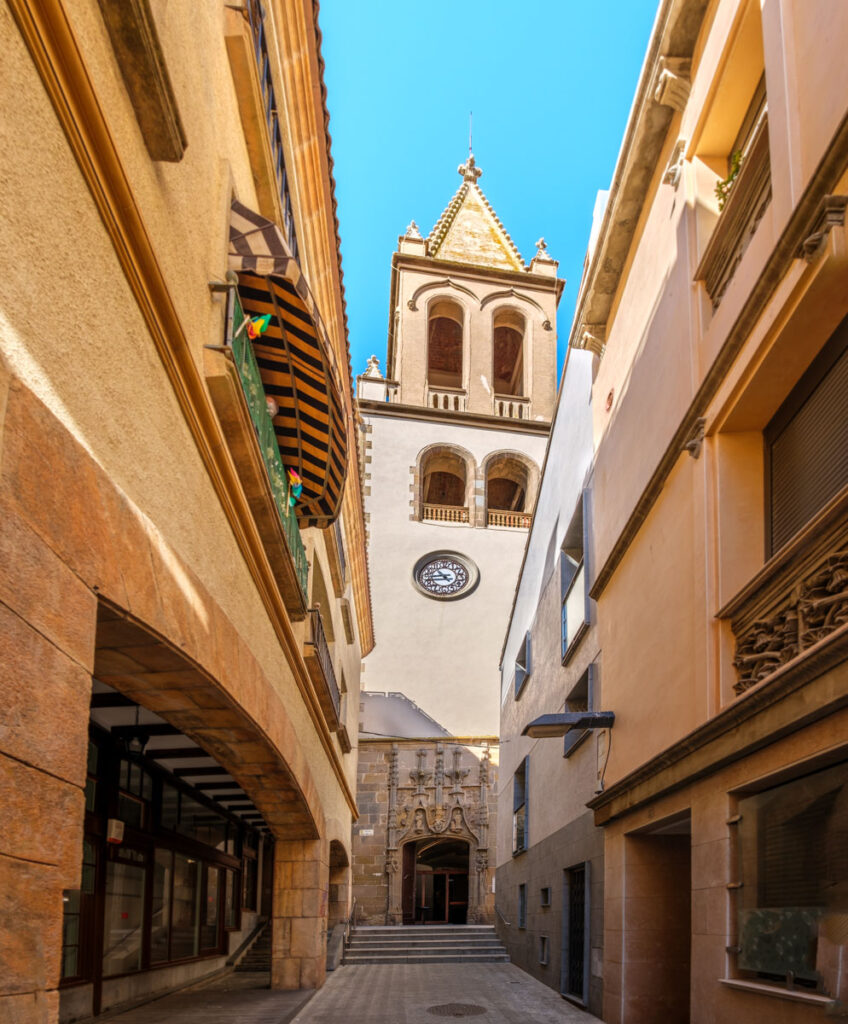
In the historic center of Palamós, you will find the Church of Santa Maria, built in late Gothic style, along with a collection of sacred art and the main altarpiece from the 16th century, a work by Isaac Hermes Vermey from Utrecht (Netherlands).

Also worth mentioning is the collection of the Museum of Fishing, one of the best in the Mediterranean, as it contains pieces from the last hundred years and is essential for understanding the fishing heritage of this prominent town in the Empordà.
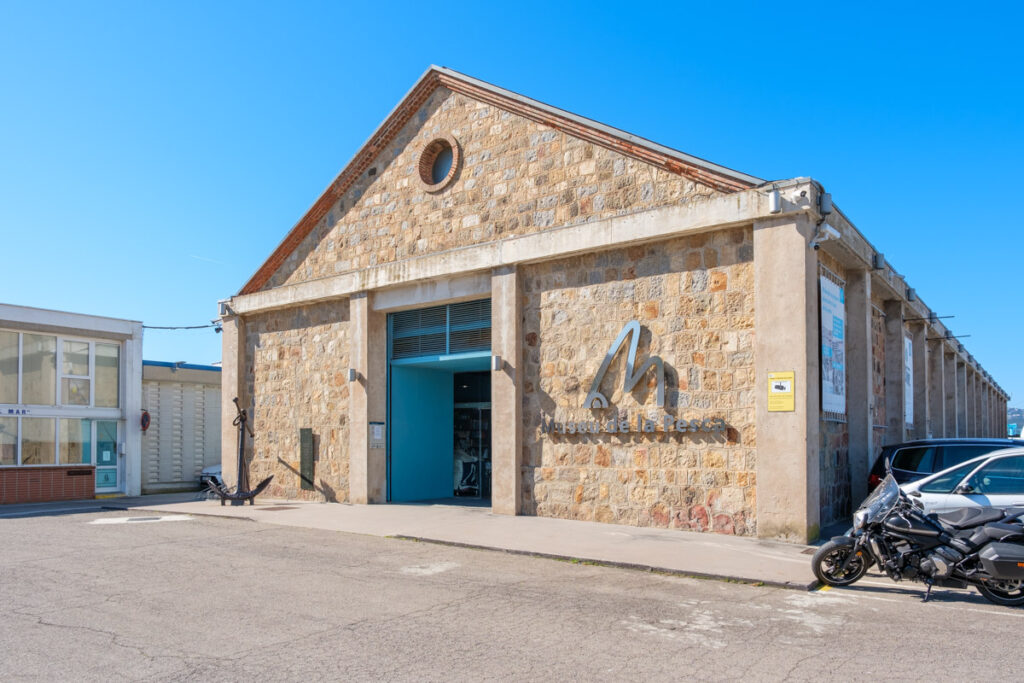
In fact, the Charter of the Town (1279) already mentions the town’s significant fishing activity, known at that time as Palamors.
The Costa Brava coastline has historically suffered multiple raids, both by sea and by land, from pirates and military conflicts. This town is no exception, as it was attacked by the Turkish pirate Barbarossa in 1543.
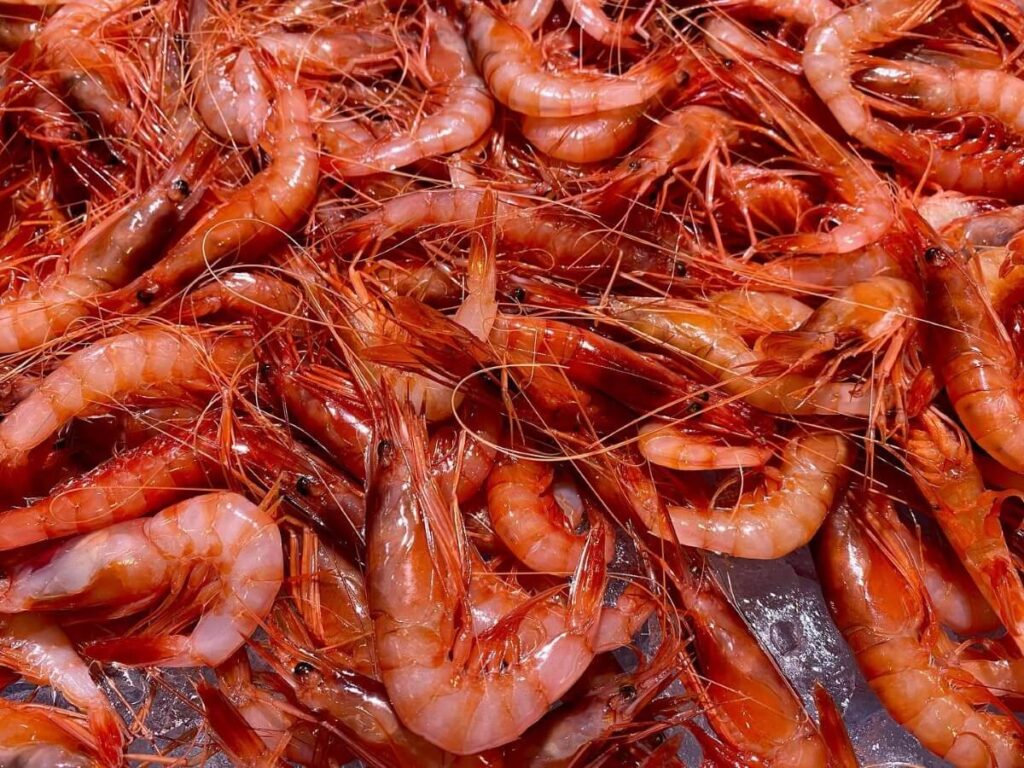
The Port of Palamós has been and remains an important hub of commercial, tourist, and fishing activity. Today, it is the fifth-largest port in Catalonia in this sector and contributes to preserving the town’s fishing heritage through initiatives like the prestigious Palamós Prawn Menu.

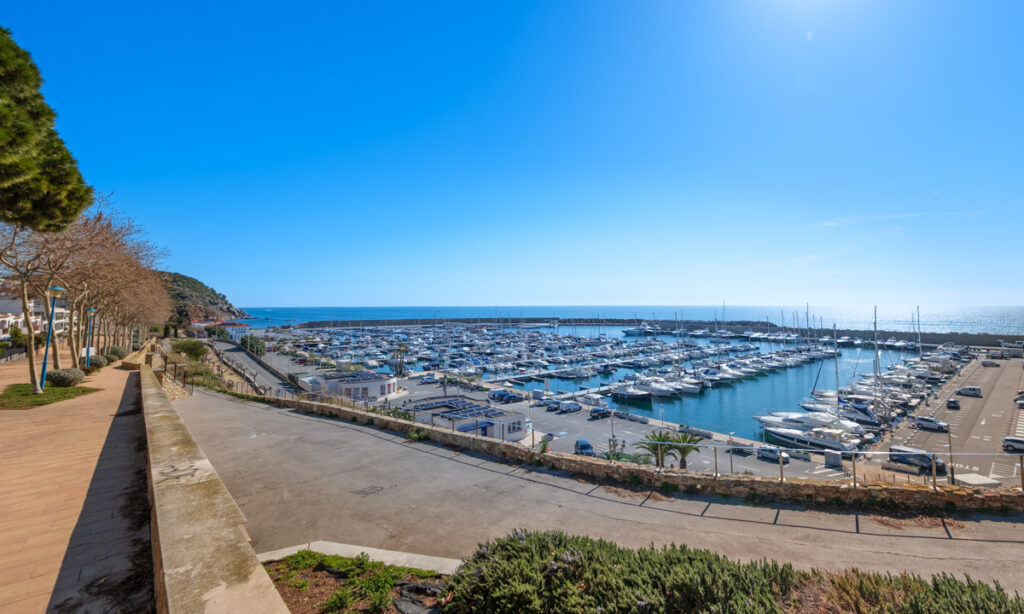
At the edge of the town’s port, you’ll find the Palamós lighthouse. Located specifically at Punta del Molí, it offers unique views over the bay. The lighthouse’s hexagonal shape is quite unique in Catalonia.
A bit further from the historic center is the Castle of Sant Esteve de Mar, built on Roman remains.
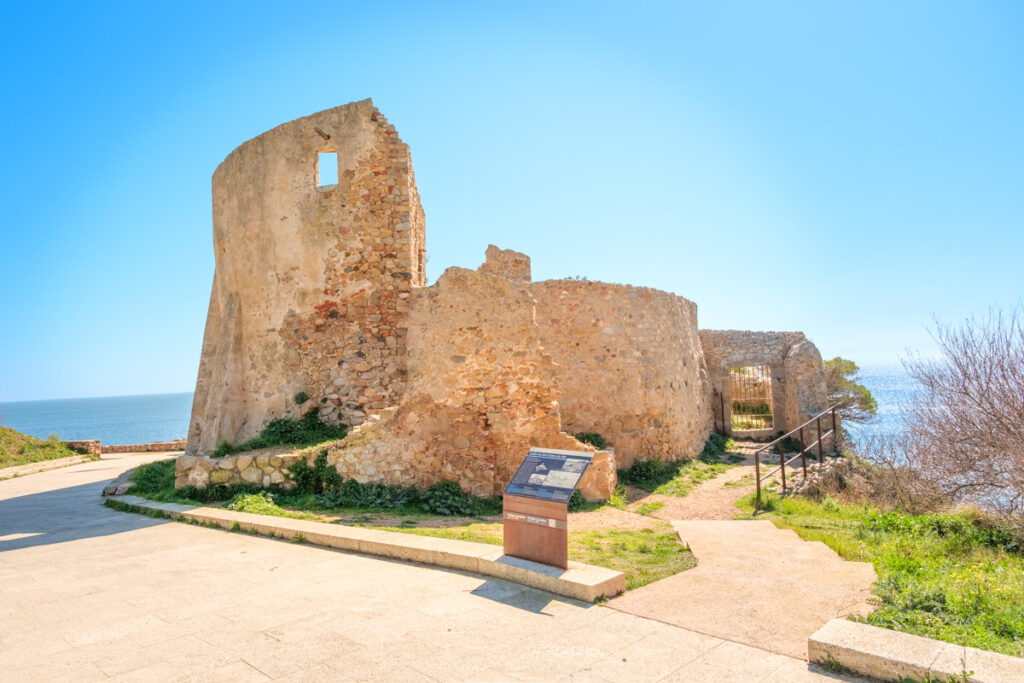
This castle occupies a privileged area, atop a cliff, between La Fosca beach and Cala s’Alguer.
If you are passionate about archaeology, don’t miss the site that includes the Montagut dolmen, dating back to the Chalcolithic and early Bronze Age.
We also recommend visiting the settlement on the Sa Cobertera peninsula, at Castell beach, from the Bronze-Iron transition period in the 1st century AD, and recognized as a cultural asset of national interest since 1996.
Findings reveal that this is one of the most significant pre-Roman indigenous villages of the Neolithic era in Catalonia. Additionally, it was at this site that the longest lead tablet with Iberian script in Catalonia was discovered.
Among the most important buildings preserved in the town are: Bell-lloc Hermitage, first documented in 1273, Santa Eugènia de Vila-romà Parish Church (Sant Joan de Palamós) from the 18th century, and the Chapel of El Carme from the 18th century.
What to Do
Palamós includes the following locations: S’Alguer, Cala Margarida, El Figuerar, La Fosca, Sant Joan de Palamós, and Vila-romà. Situated between the Mediterranean Sea, the Gavarres hills, and the Aubi plain, it’s a destination with a wide range of leisure activities throughout the year.
Palamós is an ideal place to enjoy water activities on the Costa Brava. Its crystal-clear coves and pristine beaches are perfect for snorkeling, kayaking, paddle surfing, and even diving, where you can explore vibrant marine life and spectacular rock formations. See activity.
In addition, there are boat excursions that allow you to discover the coastline from a different perspective, offering a unique experience for lovers of the sea and nature.
Around the port, many activities of interest to the public are organized, such as the fish auction and even the opportunity to become a fisherman for a day with Pescaturisme.
Furthermore, Palamós offers a variety of wine tourism routes, hiking or mountain biking trails, and visits to incredible natural sites, such as Cala s’Alguer, declared a cultural asset of national interest.
The town is divided into two Natural Interest Areas (EIN). On one side, there’s the “Les Gavarres” EIN, which includes much of the town’s historical, cultural, and ethnological heritage, and on the other, the “Castell – Cap Roig” EIN, with an attractive coastal stretch marked by the renowned Camí de Ronda.
Gastronomy
The gastronomy of Palamós is based on the Mediterranean diet, with key ingredients like fish and seafood, especially prawns, and wines from the Empordà-Costa Brava Designation of Origin.

Where to Eat
The more than 70 bars and restaurants in Palamós offer a diverse cuisine, with options for all tastes. Throughout the year, various gastronomic fairs are held, where you can enjoy arrossejat, the renowned prawn menu, as well as the langoustine menu and the fish stew menu.
Discover all the restaurants in Palamós on Guiacat.
Where to Stay
You’ll find different accommodation options to suit your preferences, as Palamós is one of the main towns on the Costa Brava. There are hotels of various categories for different types of guests, as well as campsites, tourist apartments with sea views, rural accommodations, and holiday homes.
You can find all the rural accommodations in Baix Empordà on Guiacat.
Festivals
One highlight is the Festival of Sant Joan, which coincides with the Main Festival of Palamós (June 23 to 26), featuring a program of activities for the whole family to enjoy the summer weather. Throughout the week, activities for children are organized in the streets, as well as guided tours of the main points of interest, theater performances, live music, the famous beachside “barraques,” and many more surprises.
Additionally, the Carnival of Palamós is another must-see event, where every year the streets fill with color, costumes, and parades in a festive, lively atmosphere. For sea lovers, the Pescaturisme days offer a unique opportunity to learn about the fishing profession and the fishing tradition of the town, with activities like fishing with professionals and participating in the fish auction.
You can check all the activities held in Palamós throughout the year in Catalonia’s agenda.
Best Time to Visit
While you can visit the town year-round, summer is the best time, as the good weather allows you to enjoy its beaches and coves, as well as the rest of the Costa Brava. Additionally, the pleasant weather makes it possible to engage in various cultural, gastronomic, and aquatic activities such as diving, sailing, or kayaking.
Must-See Attractions
One day is enough to see Palamós’ most iconic attractions. However, if you wish to visit the town’s beaches and coves, as well as those of neighboring towns, we recommend dedicating more time, ideally two or three days.
- Church of Santa Maria
- Daily fish auction at the Fish Market or the Museum of Fishing
- Castle of Sant Esteve
- La Fosca Beach
- The Iberian settlement at Castell Beach
What to See Nearby
Nearby are the towns of Calella de Palafrugell and La Bisbal d’Empordà to the north, and Platja d’Aro and Sant Feliu de Guíxols to the south.
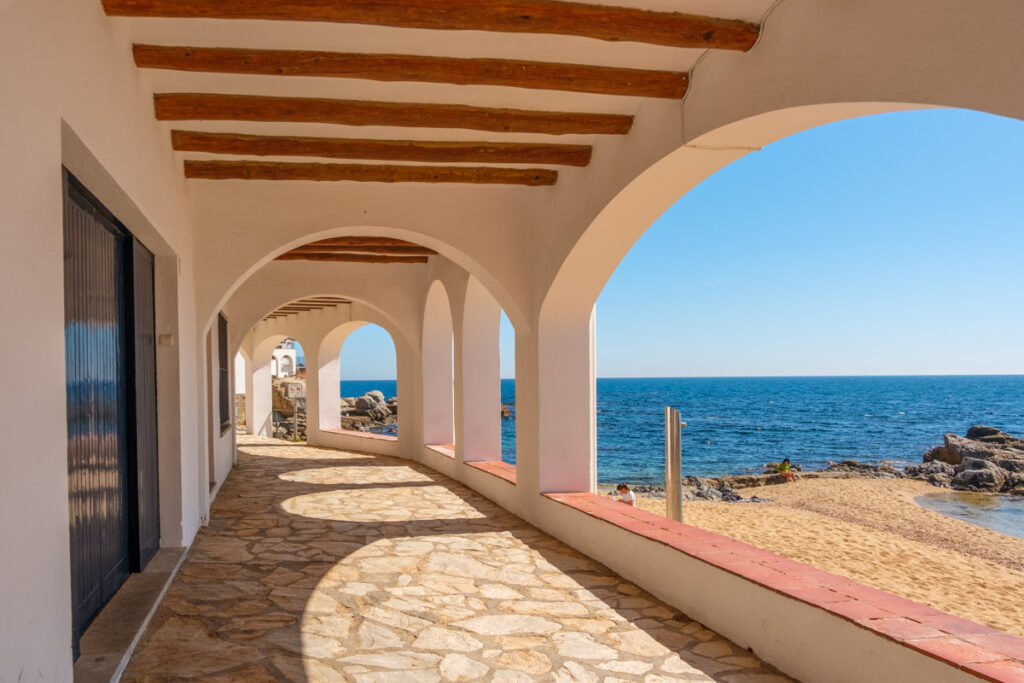
There are also several inland routes you can take, such as along the coastal path in Calonge, visiting Simona Tower in Mont-ras, exploring the natural area of Vall-llòbrega stream, or taking an excursion through the Gavarres Massif.
How to Get There
From Girona, the fastest route is to take the C-65 and continue on C-31 towards C-256 to Palamós. You can also arrive by bus by taking Line 44 (Girona – Palamós – Palafrugell) from the Girona Bus Station.
From Barcelona, you can reach Palamós via the inland route, using the AP-7; the trip takes approximately 1 hour and 21 minutes. Another option is to take the AP-7 and connect with the C-35, or take the C-32 along the coast.