Terra AltaCities and townsDestacatTarragona

Horta de Sant Joan, the Village that Captivated Picasso

Clica per puntuar
(Vots: 0 Mitjana: 0)

Horta de Sant Joan is a picturesque medieval village located in the Terra Alta region (in the province of Tarragona), within the Els Ports Natural Park. Limited industry and the concentration of the population in small villages have allowed for the splendid preservation of its monumental structures and natural environment—a combination that creates landscapes of remarkable beauty. In fact, the town’s historic center has been declared a cultural asset of national interest.

What to See

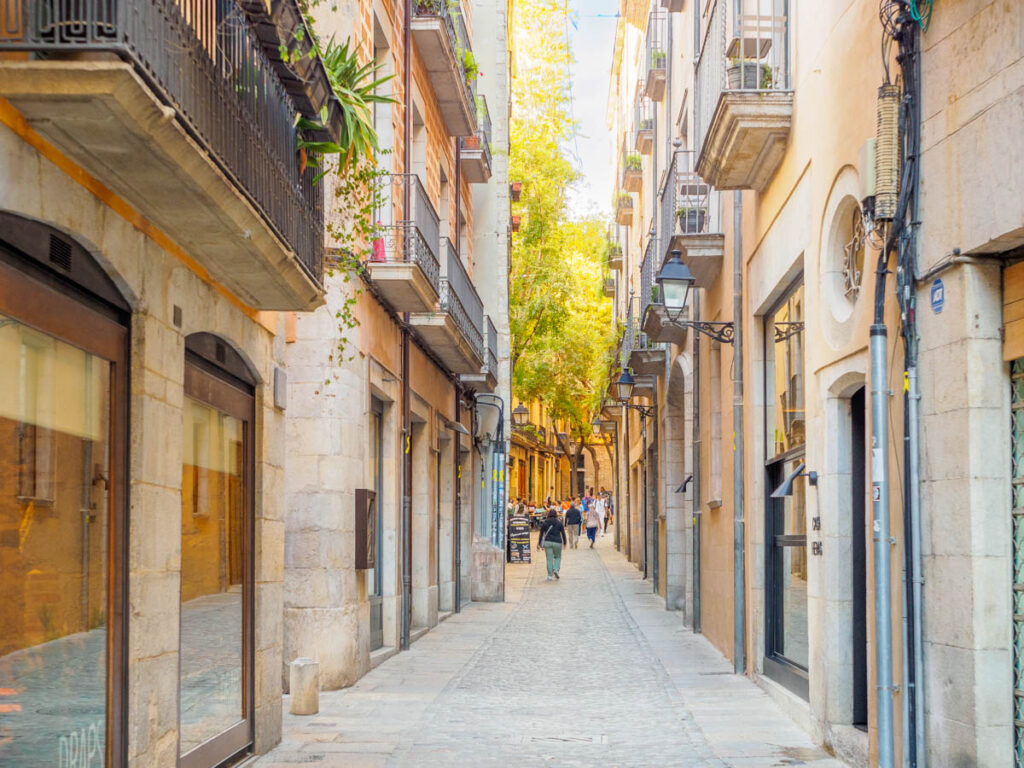
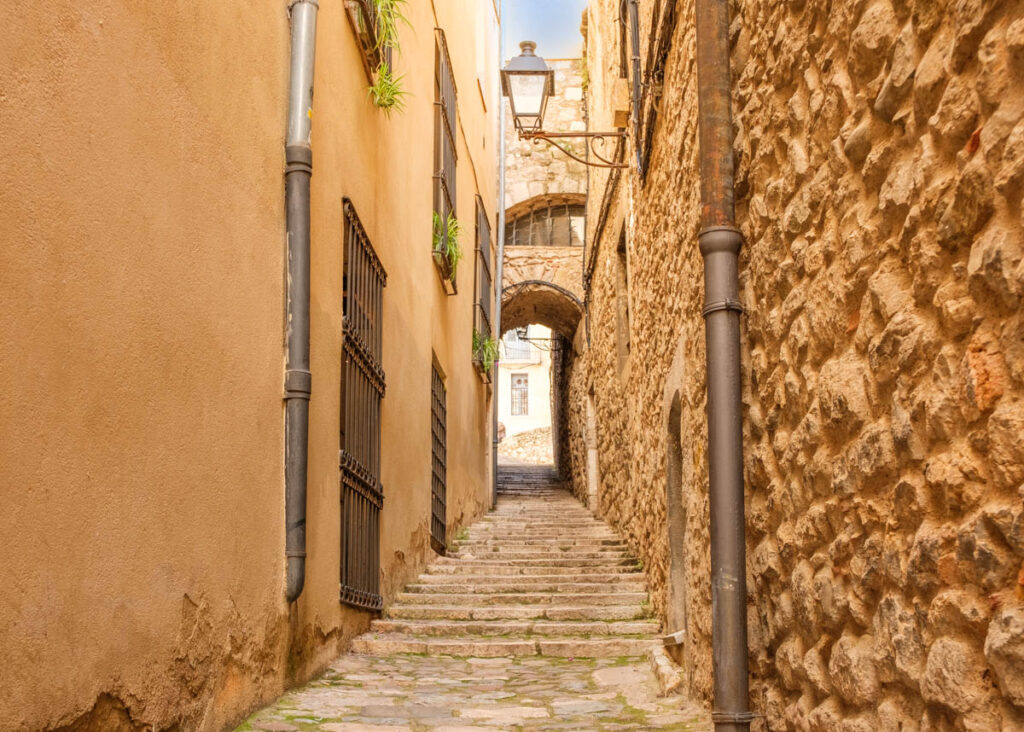
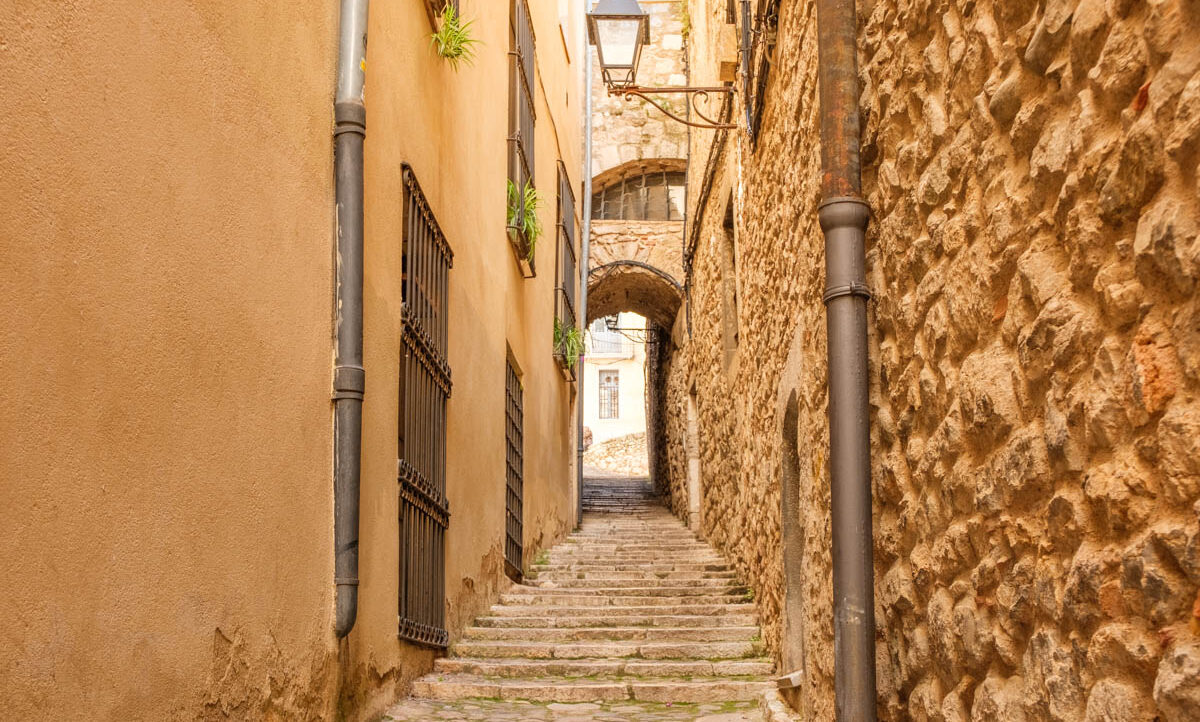
Strolling through the village streets, you’ll find many picturesque spots with cobbled streets and ancient houses that retain their medieval character.

Street in Horta de Sant Joan

The center of the village is at Plaça de Sant Salvador d’Horta, a porticoed square with rounded ogival arches.

Horta de Sant Joan, the Village that Captivated Picasso
Plaça de l’Església, with the Town Hall on the left

Nearby, heading south, is Plaça de l’Església, where the main buildings are located: the Church of Sant Joan Baptista (12th century), with a blend of Catalan Romanesque and Gothic architectural styles. The church features a single nave covered with ribbed vaults. The robust exterior facade, with only a small door and a rose window, contrasts with the interior, which has long pointed windows in the apse.

Church of Sant Joan Baptista

Next to it is the Town Hall, a Renaissance-style building from the 16th century, with a porticoed ground floor with rounded arches, a main floor with large windows, and a second floor with a gallery of small arches. The building’s lower level houses the Old Jail of Horta de Sant Joan, now restored and used for exhibitions.

Also notable is the Casa Colau (14th-15th centuries), a Gothic-style building with a zigzagged and wavy roof. Also in the square are Casa de l’Habanero, Casa Pepo, and Casa Pascualet, all porticoed and dating from the same era.

Porticos of Casa Colau

Behind the square is the Casa de la Comana or Delme House, a fortified Renaissance-era building that served as an administrative center for the Hospitallers.

Following the right fork down Pintor Pablo Ruiz Picasso Street, you’ll arrive at the Ecomuseum of Els Ports.

On Baix Street, turning right onto Hospital Street, you’ll reach the old Hospital, a solid, square Renaissance building with Gothic elements, now home to the Picasso Center of Horta.

Leaving through Bassa del Mur Street, a half-hour walk or a 7-minute drive will take you to the Convent of Sant Salvador d’Horta, at the foot of Sant Salvador hill. This is a Franciscan convent also known as the Convent of Santa Maria dels Àngels, founded in 1543 and converted into a retreat in 1576. While the church has been fully preserved, the convent itself is in ruins.

Another symbol of the town is Lo Parot, an ancient olive tree designated as a monumental tree due to its two-thousand-year-old age, located within the municipal limits but outside the town center.

What to Do

Horta de Sant Joan offers a wide range of activities for all tastes and interests.

The Picasso Center, with more than 200 works on display, is a must-visit to understand how this landscape inspired the early stages of the artist’s work. Picasso visited the village twice as a young man, in 1897-98 and again in 1909, to spend time with his friend Manuel Pallarés.

Horta de Sant Joan, the Village that Captivated Picasso
Picasso Center

Another museum, the Ecomuseum of Els Ports, provides information about the Els Ports Natural Park, where the village is located. Here you can learn about the rich natural and cultural heritage of the massif and the surrounding villages.

Horta de Sant Joan, the Village that Captivated Picasso
Ecomuseum of Els Ports

For hiking enthusiasts, the Santa Bàrbara Mountain is located in Horta de Sant Joan itself. A trail starts just next to the Convent of Sant Salvador and leads to beautiful caves, including the cave of Sant Salvador. Following the trail uphill, you’ll encounter the ruins of the ancient chapels of Sant Antoni and Santa Bàrbara.

Continuing along the mountain via the old Bot road, you’ll pass the stunning Torre del Prior, a square medieval defense tower. Here, you can join the Water Route leading to Les Olles on the Canaletes River, one of the most popular bathing spots in the area. The route crosses rocky ledges and forms gorges and pools at different levels, including l’Assut, a large Greenway bridge over the Algars River, and several springs.

Another option is to follow the Greenway of the Zafán Valley, which runs from Tortosa to Alcañiz along an old railway route and can be traveled on foot, by bike, or on horseback.

This area also offers a variety of adventure sports like canyoning, climbing, and spelunking. There are also many opportunities for wine tourism.

You can check the current schedule of activities on the Town Hall’s website.

Gastronomy

Terra Alta is a hub of classic, traditional Catalan cuisine. Dishes like rabbit with garlic aioli, sautéed snails, wild boar, fava beans Catalan-style, partridge hunter-style, and “l’ornit” with paprika are some examples. Of particular note is the vegetable paella made with local olive oil and cured ham.

In the realm of desserts, coca fina, magdalenas, and honey cake are popular. The rodots and “capsetes”, sweets inherited from Arabic flavors, are especially authentic. Dried fruits, especially hazelnuts, are also a local specialty, along with mostillo, a delicious dessert made with grape must and nuts.

To accompany your meal, the region produces excellent wines from the Terra Alta Designation of Origin, especially fine white wines, and anise-flavored brandy from Horta de Sant Joan.

Where to Eat

The entire local gastronomic offering can be found in the restaurants of Horta de Sant Joan, which serve traditional cuisine made with locally-sourced ingredients.

You can find all the restaurants in Horta de Sant Joan on Guiacat.

Where to Stay

Horta de Sant Joan and its surroundings are ideal for rural tourism. Whether you’re looking to connect with nature and enjoy hiking on trails with minimal elevation or explore the historic heritage of the ancient village centers, renting a rural house or staying at a campsite are great options.

You can find all the rural accommodations near Horta de Sant Joan on Guiacat.

Festivals

The Main Festivals of Horta de Sant Joan are celebrated in the second half of September, dedicated to the Nativity of the Virgin Mary, with days filled with activities, including music, dances, contests, bull runs, and community meals.

Other festivals include the Saint Anthony Auction in mid-January, where animals are blessed, and goods are collected. Afterwards, the food items are auctioned off, with proceeds going toward improvements to the Convent of Sant Salvador.

The Feast of Sant Salvador, related to the Convent of Sant Salvador, is celebrated on March 18. According to tradition, a pilgrimage is made around the Convent grounds. In the morning, typical sweets from the town (coc, rodots, etc.), donated by the townspeople, are sold, and a community paella is cooked and shared with attendees. Proceeds also go toward maintenance of the Convent of Sant Salvador.

The April Festival (the first weekend after April 21) is also closely linked to Saint Salvador, as it commemorates the miracle of rain after a long drought. The weekend is filled with activities, including the Quick Painting Contest, an event to promote art within the community while showcasing the cultural and architectural heritage of Horta de Sant Joan for artists and visitors alike.

The Festival of La Costa takes place on the last weekend of September (after the festival of La Mercè) and is named after a street that divides the village in two. One side of the village hosts the festival, and the other is invited. Streets are decorated, bonfires are lit, and all kinds of food are roasted: sardines, meat, sausages for everyone. The festival concludes with the jota of Horta, the traditional dance of the region.

Lastly, on the first Sunday of October, the Dolça Tardor (Sweet Autumn) Festival (also known as the Mostillo Festival) is held. It’s a popular artisan fair, showcasing traditional fall products, including the featured mostillo. The festival ends with a popular evening meal.

Best Time to Visit

The best times to visit are in spring or early autumn, when temperatures are milder. The town’s inland climate means that summers can be very hot, and winters can be quite cold.

Must-See Attractions

  • Visit the Picasso Center in Horta de Sant Joan
  • Stroll through the monumental historic center
  • Explore the trails in the Els Ports Natural Park
  • See the Convent of Sant Salvador d’Horta

What to See Near Horta de Sant Joan

The archaeological site of Iberian Village of Sant Antoni is located 20 km from the town center and is thought to be the origin of the settlements that preceded Horta de Sant Joan.

From the town, you can see the Roques de Benet, rock formations immortalized in many of Picasso’s paintings.

Les Roques de Benet
View of Les Roques de Benet

Nearby towns include Arnes, Paüls, and Alfara de Carles to the south, Lledó, Arenys de Lledó, and Valderrobres (Teruel) to the west; to the north, Caseres and Bot, and to the east, Prat de Comte.

It’s about a 25-minute drive (20 km) to Gandesa, the regional capital. A bit farther are Móra la Nova, Móra d’Ebre, and Miravet, towns of great historical interest due to the impact of the Battle of the Ebro.

View of Miravet
View of Miravet

How to Get There

By car: From Tarragona, it takes around an hour and a half (about 100 km). Take the T-11 road towards Reus and then join the N-420 towards Falset. Continue toward Gandesa, passing Móra la Nova and Móra d’Ebre. At Gandesa, exit the main road and cross the town towards Bot. Continue on the T-334 road towards Horta de Sant Joan.

By public transport: Although the journey is longer, you can reach Horta de Sant Joan by bus with the company Hife, from Tarragona via Tortosa, with stops at other nearby towns.

Map

Related Articles

Leave a Reply

Your email address will not be published. Required fields are marked *

Back to top button